
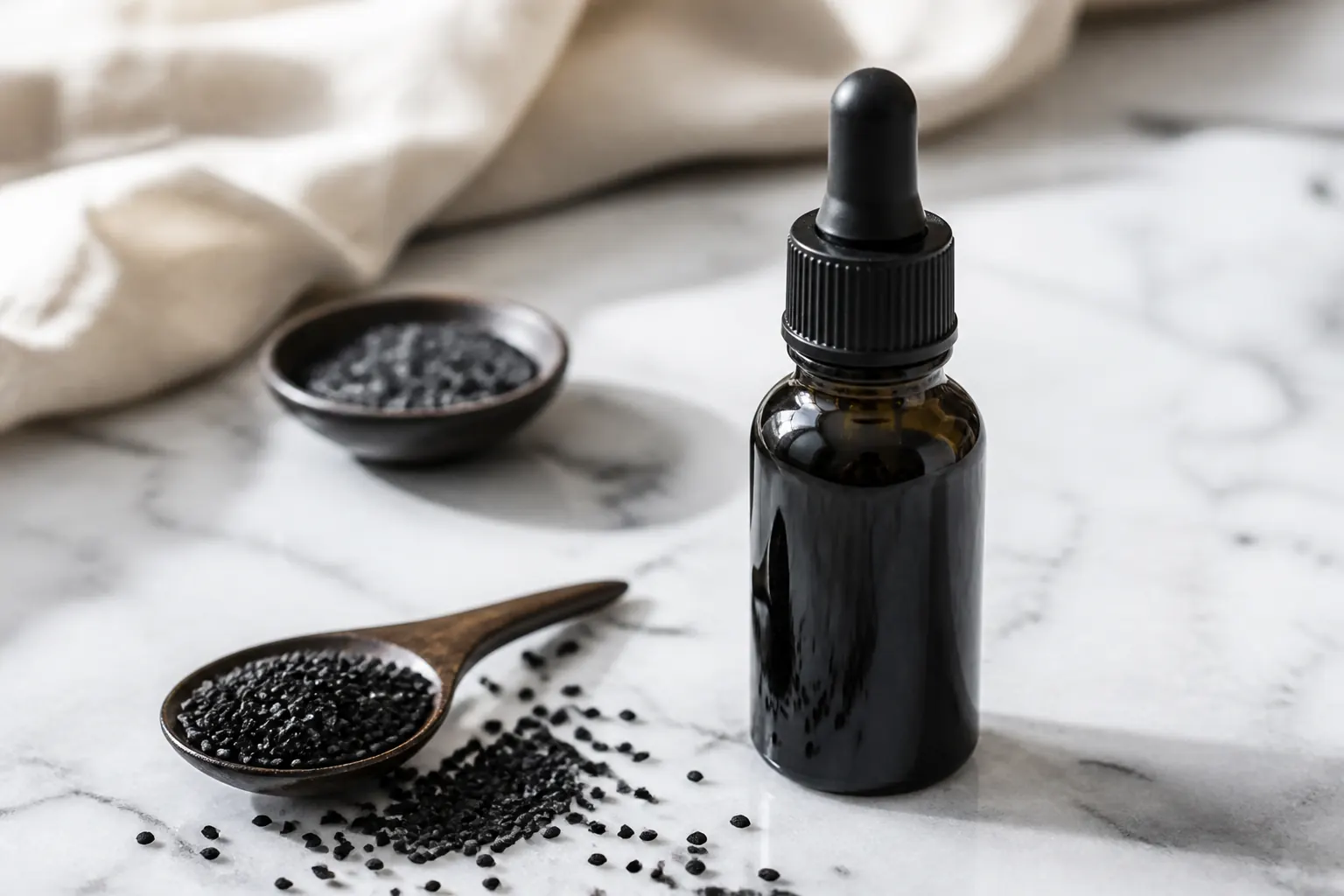
Black seed oil sits in many kitchens and herbal cabinets. Shoppers look for cold-pressed-style bottles for flavour routines and simple skincare experiments. This guide covers choosing a bottle, patch testing, and storage—without immunity miracle claims.
What black seed oil is
The oil is pressed from Nigella sativa seeds. Cold-pressed products aim to keep more of the seed’s natural character; always read the actual label.
Shop: Black Seed Oil.
Kitchen routine ideas
- Whisk a few drops into yoghurt sauces or salad dressings
- Use as a finishing accent where the peppery note fits
- Store away from heat so flavour lasts
Skincare-style experiments
- Patch test on the inner arm for 24 hours.
- Use a tiny amount on clean skin if tolerated.
- Stop at the first sign of irritation.
Buying priorities
Dark glass, clear botanical naming, trustworthy seller pages, and no disease-cure advertising. For a full checklist, see the dedicated quality article linked below.
Household rules that prevent messes
- Wipe the dropper; black seed oil stains some plastics and fabrics
- Keep out of reach of children
- Do not put undiluted oil near eyes
Frequently asked questions
Can black seed oil replace prescribed skincare?
No. It is an optional cosmetic-style experiment at best.
Is oral use safe for everyone?
Not automatically. Follow labels and ask a clinician if unsure.
How long does an opened bottle last?
Finish within a reasonable months-long window; heat shortens life.
Related reading and products
Educational note: This article is for general wellness and shopping guidance only. It is not medical advice, and it does not diagnose, treat, cure, or prevent any disease. If you are pregnant, nursing, taking medication, or managing a health condition, talk with a qualified clinician before using herbal products.


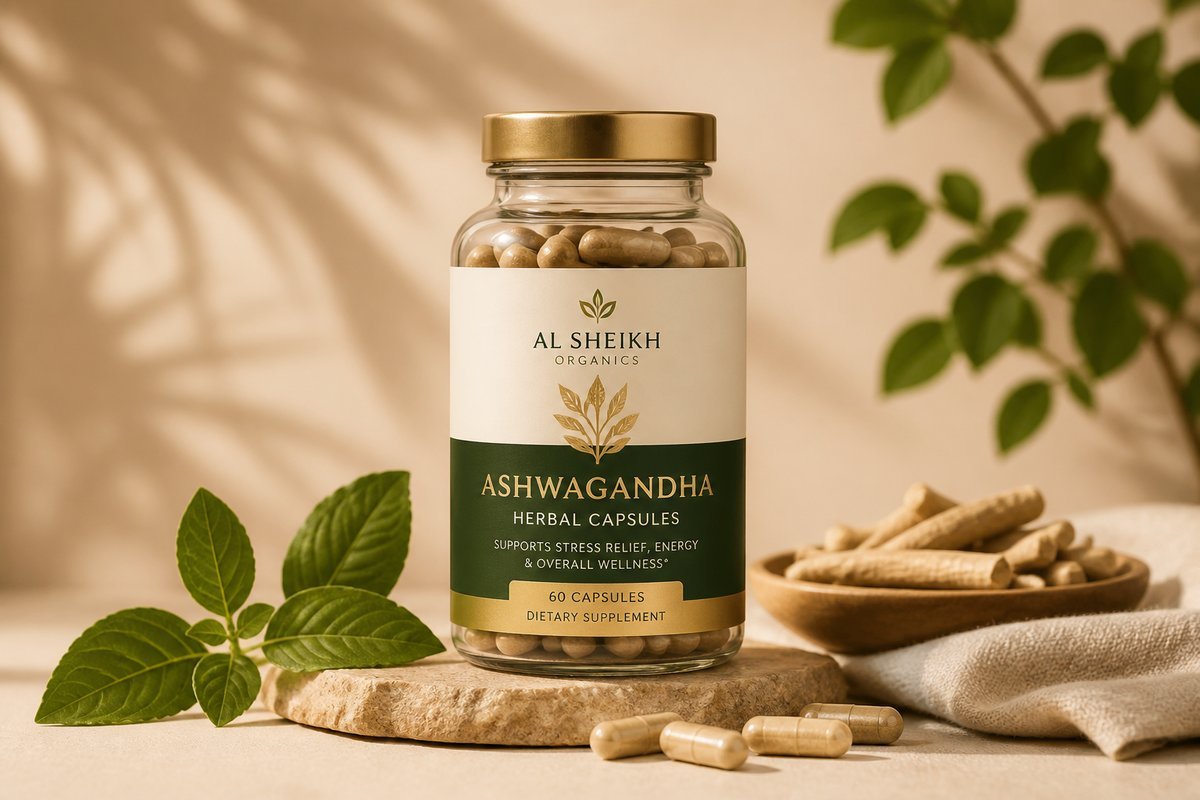
Pingback: Ashwagandha Benefits: Why It Tops Herbal Supplements – Al Sheikh Organics