Hair care dust pollution Pakistan cities throw at you is mostly a wash problem, not a new bottle problem. Al Sheikh Ultimate Hair Growth Oil is a 150ml pre-wash cosmetic from Al Sheikh Organics in Lahore. The label reads Strengthens & Nourishes. Argan, jojoba, and rosemary are the named oils. On a dusty day you brush first, oil only if you can shampoo, and you do not seal grit against the scalp.
Lahore smog and construction dust coat lengths by evening. Karachi adds roadside grit, sea air, and humid film. Islamabad can be clearer and still dusty in dry weeks or when a plot nearby is being built. The routine changes with the dirt on your hands. If the scalp hurts, shows bald patches, or sheds in sudden clumps, see a dermatologist before you change products.
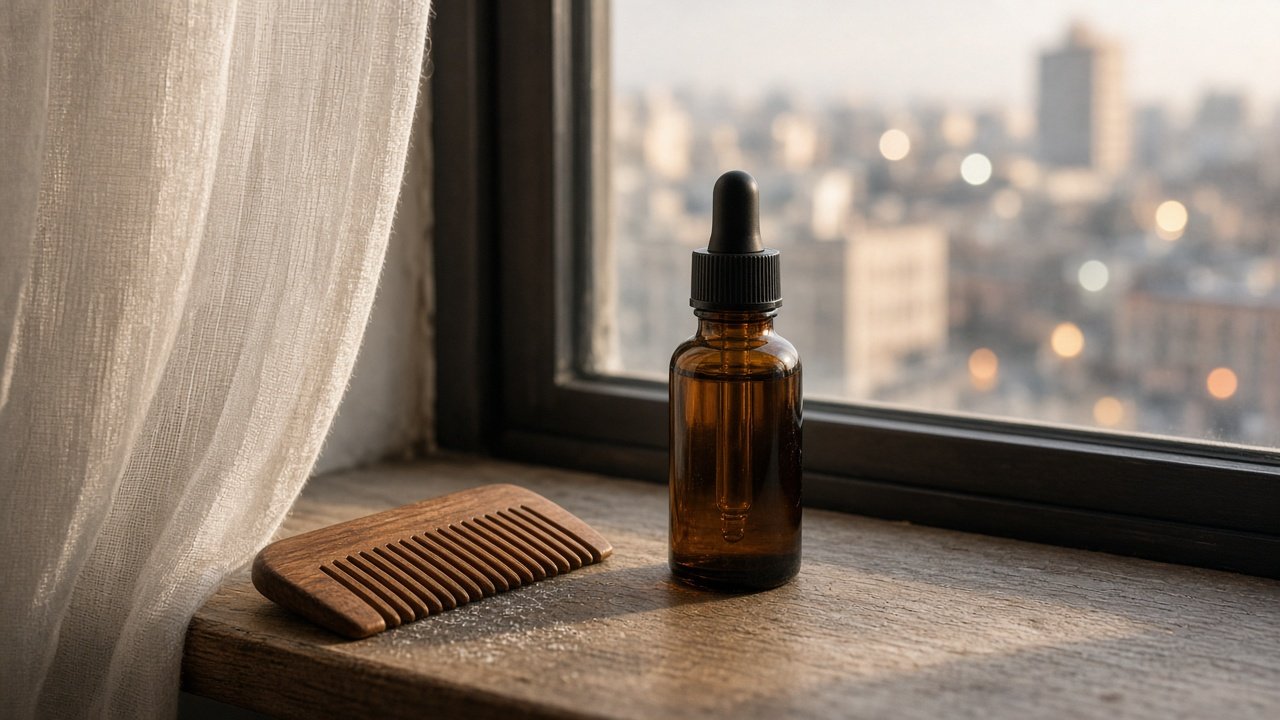
How dust sits on hair after a normal day
Dust does not only land on a dupatta. It clings to oil already on the hair, to sweat at the hairline, and to styling cream. By the time you reach home, a white cloth wiped on the lengths often shows gray. That gray is the reason wash night has an order.
Short hair collects dust at the scalp because there is less length to hide it. Long hair collects it on the outer layer and in a bun that was open on the bike. Both need a brush or a finger-comb outdoors-to-indoors before any product. Shake the brush out a window or into a bin, not onto the bed.
A helmet makes a second layer. Sweat plus dust at the temples feels like dirt you can scratch. Scratching drives particles into the skin. Lift the hair, brush, and plan a wash. Oil is a later step, and only when shampoo is coming the same evening.
The Al Sheikh hair growth oil guide assumes a pre-wash, not a dust cover. Read it as the clean version of the ritual. Dust days use the same bottle with a stricter first step: get loose dirt off before you pour.
Why oil on dusty hair makes the coat worse
Oil grabs particles. That is useful in a salad and unhelpful on a scalp still wearing the road. If you massage dusty hair, your fingers push grit in circles. The slip you feel is oil and dirt together. Shampoo then has to remove both, and a single weak lather often fails.
Brush first. If the scalp is sweaty, a plain water rinse and a towel dry can come before oil. Then use a small pour of this blend, wait twenty to forty minutes, and shampoo twice. The second lather is where dust days are won. The first lather mostly loosens the mix.
Do not sleep in oil after a smog day. You would be resting your face and pillow on that day’s dirt. Wash it out. If you are too tired to wash, brush, tie the hair loosely, and oil on a night when you can finish. A missed oil night is cleaner than a dirty oil night.
- Brush or finger-comb before the bottle opens.
- Do not scratch dusty temples.
- Oil only when shampoo is the same evening.
- Lather the scalp twice after dust or smog.
- Wash pillowcases more often in heavy dust weeks.
A practical order for smog and construction days
When you walk in, change the scarf or dupatta that sat against your neck. Dust lives in that cloth. Wash your hands before you touch your scalp. Then brush over a sink or onto a balcony you can sweep. You are removing what will rinse away easily so the shampoo can focus on what is left.
Part the hair and look at the scalp in daylight if you can. You should see skin, not a gray cast in every part. If every part looks dirty, this is a shampoo night even if you skip oil. Oil is optional on the dirtiest days. Shampoo is not.
If you do oil, keep it small. Dust weeks are a bad time to try a new heavy pour. Argan and jojoba still give slip, but only after the grit is gone. Rosemary is in the blend for the same pre-wash, not as a dust shield. Nothing in a cosmetic bottle blocks a construction site.
Rinse the comb and the brush. A dusty brush puts yesterday’s grit back on clean hair in the morning. This sounds fussy. It takes a minute. It also keeps you from oiling a clean scalp and then combing dirt through it.

Coverings, offices, and the ride home
A light scarf on a bike cuts some of the road dust. It does not replace a wash. Wash the scarf often, or you press last week’s dust onto today’s hair. Helmets need a wipe inside the rim. Sweatbands that smell sour should be washed before they touch the hairline again.
Office air is dry and the street is dusty. That mix makes ends feel rough by Thursday. You still do not need oil every morning. A midweek wash, with or without a small pre-wash oil, handles it. If you oil, do it at home before shampoo, not at your desk.
Karachi humidity makes dust feel stickier. Lahore dry smog makes it look paler on a dark dupatta. Islamabad’s dusty dry spells behave more like Lahore. The order does not change. Brush, optional small oil, shampoo the scalp properly. The castor oil ritual is a heavier option some people use. On dust days, heavier is rarely kinder. This blend is the lighter pre-wash.
Gyms add sweat to whatever the road left. Shower there if you can, with shampoo on the scalp. Do not oil in the locker room and drive home in a cap. Finish the oil only in the wash you control, with a second lather and a real rinse.
Monsoon mud versus dry-season dust
Dry dust brushes off. Monsoon mud does not. Rain sticks construction dirt to the hair in clumps. Brushing wet mud only smears it. Rinse with water until the runoff looks clearer, towel dry, and then decide on oil. Often the kind choice is shampoo without oil until the mud is gone.
After the rinse, if you still want the pre-wash, use less than your dry-week amount. Humidity already swells the hair. A large pour plus mud residue is how the scalp stays coated for two days. Shampoo twice. Condition the ends only if they feel rough, not the scalp.
Windows left open in a dust storm undo a fresh wash by morning. Close them or use a fan with the window shut when the air is brown. A cotton scarf on the pillow helps on the worst nights. Wash it with the pillowcase. This is housekeeping, and it matters as much as the bottle.
Read the Al Sheikh Organics disclaimer if you need the short version. The oil nourishes lengths as a cosmetic and can leave hair feeling smoother when you comb. It does not clean pollution by itself and it does not treat a scalp condition. Pain or sudden patches still need a dermatologist.
| What the air did | First move at home | Where the oil fits |
|---|---|---|
| Dry Lahore or Islamabad dust | Brush over a sink, wash hands | Small pour, then shampoo twice |
| Karachi humidity plus road grit | Brush, then plan a real wash | Less oil than in a dry week |
| Construction dust in the part | Shampoo even if you skip oil | Optional, only if you can wash it out |
| Monsoon mud | Water rinse until runoff clears | Often skip oil until the mud is gone |
| Helmet sweat and dust | Brush temples, do not scratch | Oil at home before shampoo, not under the helmet |
- Brush loose dust out before any oil.
- Skip oil if you cannot shampoo the same evening.
- Use a smaller pour on humid or muddy days.
- Lather the scalp twice and rinse longer.
- Wash brushes, scarves, and pillowcases in heavy dust weeks.
Frequently asked questions
Should I oil my hair to protect it from dust?
No. Oil on a dusty length holds grit against the hair and scalp. Brush the dust off first. If you want a pre-wash massage, do it only when you can shampoo afterward. The oil is not a shield for smog or a construction site. A scarf on the ride helps a little. The wash still has to happen.
How do I wash dust out without stripping the lengths?
Shampoo the scalp, where the dirt sits, and let the suds pass through the ends. You do not need to scrub the ends hard. A second lather on the scalp is enough on most dust days. Conditioner, if you use it, goes on mid-lengths and ends after that. Rubbing the ends like a pan is how they feel rough tomorrow.
What about Karachi humidity and Lahore smog in the same month?
Treat them as dirt plus weather, not as two different products. Brush first in both cities. Use less oil when the air is wet, because residue clings. Use a normal small pour when the air is dry and you can rinse well. Shampoo twice either way if you oiled. The bottle does not need a seasonal twin.
Can I leave oil in because I am too tired to wash?
On a dust day, no. You would keep that day’s grit on the scalp all night. Brush, tie hair loosely, and wash when you can. Oil on a cleaner evening instead. A skipped massage does not ruin the week. Sleeping in dusty oil can leave you itchy and coated, and the pillow takes the same dirt.
When is dust not the real issue?
Dust explains a gray cloth and tangles. It does not explain pain, bald patches, or hair that comes out in sudden clumps. Those need a dermatologist, not a heavier oil. You can tell the clinician about smog and your wash habits. Do not delay the visit while you test three new bottles. Clean the scalp gently and book the appointment.
Key takeaways
- Hair care dust pollution Pakistan routines should brush grit off before any oil.
- Oil seals dust in. Use it only as a pre-wash you can shampoo out.
- Smog, road grit, and monsoon mud need a second scalp lather.
- Wash scarves, helmets’ sweatbands, brushes, and pillowcases in heavy weeks.
- Pain, patches, or sudden clumps need a dermatologist, not more product.
Conclusion
Hair care dust pollution Pakistan cities leave on your lengths comes off with order, not with a heavier pour. Al Sheikh Ultimate Hair Growth Oil still belongs before shampoo, after the brush. It is 150ml, labeled Strengthens & Nourishes, with argan, jojoba, and rosemary.
Brush, use a little only if you can wash, and lather the scalp twice. Skip the oil on muddy nights when you are too tired to finish. If the scalp hurts or shedding comes in clumps, see a dermatologist. The cosmetic is from Al Sheikh Organics in Lahore.
Wellness note: Educational content only. Al Sheikh Organics products are cosmetics, not medicines, and are not intended to diagnose, treat, cure, or prevent any disease. Talk with a clinician if you are pregnant, nursing, on medication, or dealing with a scalp condition. Individual results vary.